
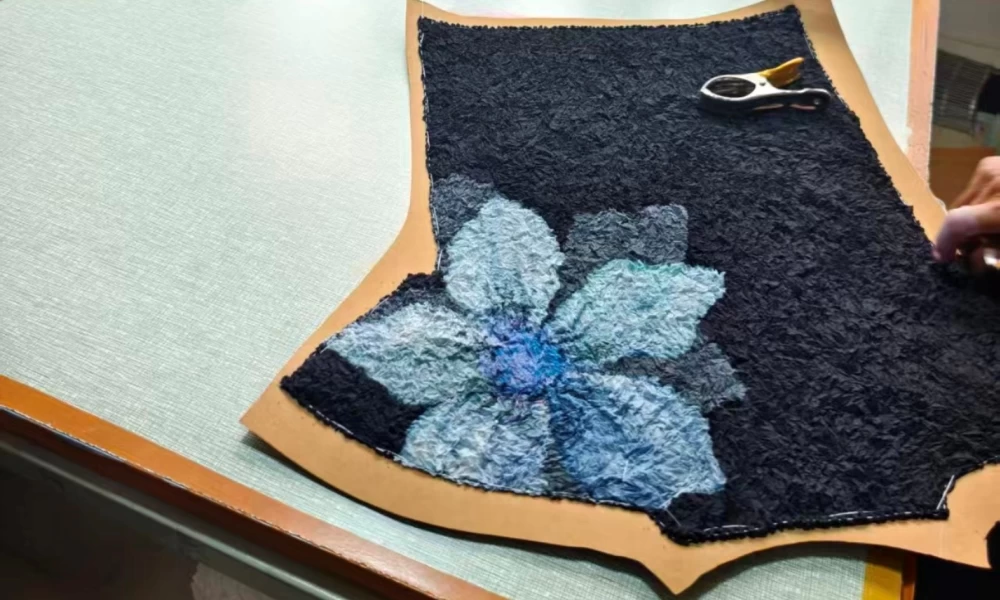
A pleated garment lives or dies by its pleats. Two dresses cut from the same fabric and sewn to the same pattern can look completely different depending on whether the pleats are wide and architectural or fine and fluid. For buyers and brand owners, understanding pleat types is the difference between a sample that photographs beautifully and a production run that hangs flat in the warehouse.
This guide covers the pleat structures we produce most often for international clients, how each is formed, and which garment categories each one suits.
Why Pleat Structure Matters to Buyers
Pleats are not decoration applied after the fact. They are a structural system that determines how a garment holds shape, how much fabric it consumes, and how it will behave after twenty washes.
- Fabric consumption: a micro-pleated skirt can use three times the flat-fabric yardage of a plain skirt. This directly changes your unit cost.
- Silhouette control: sharp vertical pleats create volume and movement; fine crepe pleats create drape and stretch.
- Packing and shipping: heat-set pleats survive compression well; unset pleats need careful folding.
- Size tolerance: pleats add elasticity that can absorb a half-size of fit variation, useful for e-commerce sizing.
The Main Pleat Types and How They Behave
1. Accordion Pleats
Even, sharply creased folds that run the full length of the garment, like the bellows of an accordion. They are typically 1 cm to 3 cm wide and are the most architectural pleat family.
Accordion pleats give a formal, sculptural look. They work well for full-length skirts, structured dresses and statement outerwear where the pleat line itself is the design feature.
2. Crystal Pleats
Very fine, narrow pleats, usually 3 mm to 8 mm, set close together. The crease is heat-set so the fabric retains a springy, elastic hand feel.
Crystal pleats are the backbone of Miyake-style fashion. They allow a single garment to stretch across several centimetres, which means fewer sizes and easier fit. They suit tops, dresses, wide trousers and travel-friendly pieces.
3. Sunray Pleats
Pleats that start narrow at the top and fan outward toward the hem, creating a sunburst effect. The pleat density increases with the length of the garment.
Sunray pleats are the classic choice for flared midi and maxi skirts. They deliver dramatic movement in motion and generous volume without bulk at the waist.
4. Box Pleats
Two flat folds facing in opposite directions with a flat panel between them. Because the fold faces outward, box pleats read as crisp and geometric.
Box pleats are common in skirts, pinafores and tailored dresses, and they are the most forgiving pleat type for heavier woven fabrics.
5. Knife Pleats
Single folds all pressed in the same direction, sitting flat against each other. The pleat width and direction can vary to create asymmetry.
Knife pleats are widely used in skirts, culottes and school-uniform style garments. They are simpler to press than box pleats and cost less to produce.
6. Micro and Pintuck Pleats
Decorative, stitched pleats in the 2 mm to 5 mm range. Because they are stitched rather than heat-set, they hold a sharp edge but do not stretch.
Pintucks suit shirts, blouses and detail-driven panels where you want texture without volume.
Which Pleat Type Suits Which Garment
As a quick reference for collection planning:
- Dresses: crystal pleats for stretch and drape; accordion for sculptural columns
- Skirts: sunray for flare; box or knife for structured A-lines
- Tops and blouses: crystal and micro pleats for a fluid, contemporary hand feel
- Trousers: crystal pleats for comfort and travel; knife pleats for tailored volume
- Outerwear and coats: accordion pleats for architectural statement pieces
How Pleats Are Actually Set
There are two broad production methods, and the choice affects durability as much as appearance.
- Heat-set pleating. The fabric is folded into moulds and passed through controlled heat and steam. The pleat becomes semi-permanent and, for synthetic blends, effectively permanent.
- Stitched or steam pleating. The pleat is locked by stitching or light steam pressing. It holds its shape but can relax over repeated washing.
Heat setting requires precise temperature control because the correct setting point differs by fibre. A blend containing polyester, for example, needs a higher and longer heat cycle than a pure wool crepe. Under-set pleats open up in the wash; over-set pleats can develop shine marks or brittleness at the fold line.
Pleat Choice Checklist Before You Commit
- Confirm the pleat width in millimetres, not in vague terms like "fine" or "medium"
- Request a pleat setting sample on your exact fabric, not a stock fabric
- Wash-test the pleat sample before bulk to confirm pleat retention
- Check fabric consumption per garment, since pleat density drives yardage and cost
- Confirm whether pleats are heat-set or stitched, and state that requirement in the tech pack
Frequently Asked Questions
Do pleats need special fabric?
Pleats hold best on fabrics with some thermoplastic content, such as polyester blends, or on tightly woven wool crepe. Very soft, slippery fabrics need a stitched pleat rather than a heat-set one.
How much extra fabric do pleats require?
It depends on pleat density. Micro and crystal pleats commonly consume two to three times the yardage of a flat panel, while wide box or knife pleats consume far less. We calculate consumption per style from the pattern rather than quoting a blanket figure.
Will pleats survive machine washing?
Heat-set pleats on synthetic blends do. Stitched pleats hold as long as the stitch does. Unset pleats on natural fibres should be hand washed or dry cleaned.
Can pleats be combined in one garment?
Yes, and this is where designers add value. A dress with a crystal-pleated bodice and a sunray-pleated skirt creates two different movements in one silhouette, though it does require two separate pleating operations and should be costed accordingly.
Conclusion
Pleat type is a specification, not an afterthought. Defining the pleat structure in millimetres, confirming the setting method, and testing on your actual fabric will save far more money than any negotiation on unit price.
Dongguan Humen Sanzhai Pleated Garment Factory has produced high-end pleated womenswear and menswear for over 15 years, with machinery imported from Japan, South Korea and Taiwan and a complete in-house chain covering garment manufacturing, pleating processing and embroidery. If you are developing a pleated collection and want advice on which pleat structure fits your silhouette, send us your tech pack for a development review.
About the Author
Written by the product development team at Dongguan Humen Sanzhai Pleated Garment Factory, which supports fashion brands worldwide with OEM and ODM pleated apparel manufacturing.